
Forensic Evidence in Criminal Trials: Can Technology Reduce Wrongful Convictions?
Forensic evidence has become one of the most important tools in contemporary criminal justice. From DNA profiling and fingerprint analysis to digital forensics, CCTV footage and artificial intelligence, technology has changed the way investigators identify offenders and establish facts before courts. When properly collected, examined and presented, forensic evidence can strengthen criminal investigations and help courts reach more accurate decisions. However, technology is not automatically infallible. Its effectiveness depends upon scientific reliability, proper procedures and careful judicial scrutiny.
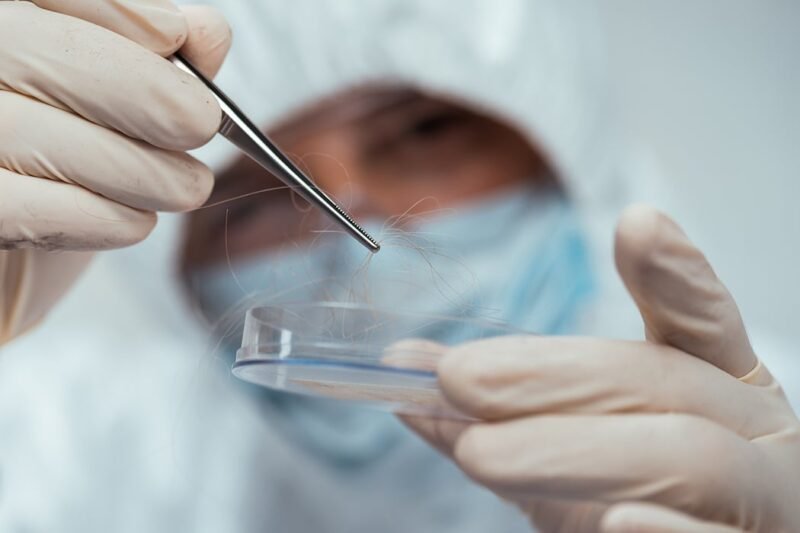
DNA profiling is perhaps the most significant development in forensic science. Biological samples such as blood, saliva, hair or skin can help connect a person to a crime scene with considerable accuracy. DNA evidence has not merely assisted in securing convictions but has also helped exonerate individuals who were wrongly accused or convicted. Similarly, fingerprint analysis can establish whether a person may have handled an object or been present at a particular location. These technologies can therefore reduce reliance on uncertain eyewitness testimony, forced confessions or circumstantial assumptions.
Digital technology has further expanded the scope of forensic investigation. Mobile phone records, GPS data, emails, social media activity, computer files and CCTV recordings can provide valuable data about a person’s movements and activities. In an increasingly digital society, such evidence can help establish timelines and challenge false allegations. Artificial intelligence and advanced analytical tools may also assist investigators in identifying designs in large volumes of evidence.
However, forensic technology can itself contribute to wrongful convictions if it is misunderstood or improperly used. A scientific test may produce an incorrect result because of contamination, poor-quality samples, laboratory errors or faulty interpretation. Even DNA evidence does not necessarily prove guilt; it may establish only that biological material is associated with a particular person or location. Similarly, CCTV footage can be incomplete or misleading, while digital evidence may be changed, fabricated or taken out of context.
The Indian legal system therefore needs strong safeguards for the admission and evaluation of forensic evidence. The Bharatiya Sakshya Adhiniyam, 2023 recognises the importance of electronic and digital records as evidence, while procedural safeguards govern their collection and presentation. Courts must consider not merely whether evidence is technologically sophisticated, but whether it is significant, authentic, reliable and obtained through a proper chain of custody.
Another major problem is the availability of forensic infrastructure. Overburdened laboratories, inadequate equipment, delays in forensic reports and shortages of trained experts can weaken investigations. Technology can decrease wrongful convictions only when supported by competent forensic professionals and independent laboratories. The possibility of manipulation or selective interpretation also makes clarity and expert scrutiny essential.
Ultimately, technology should assist judicial reasoning rather than replace it. A court must evaluate forensic evidence alongside witness testimony, documentary evidence and other circumstances of the case. The principle that an accused is presumed innocent until proven guilty must remain coral.
Forensic science has enormous potential to make criminal trials more accurate and fair. DNA testing, digital forensics, CCTV analysis and other technological tools can expose false accusations and prevent convictions based on unreliable evidence. Yet technology is only as reliable as the methods and people behind it. Proper collection, preservation, independent examination and judicial scrutiny are therefore essential. Used responsibly, forensic technology can become a powerful guarantee against wrongful convictions and strengthen public confidence in the criminal justice system.