
Plea Bargaining in India: Scope, Limitations and Future
The criminal justice system is expected to ensure justice while saving the claims of the accused and the interests of victims. However, prolonged trials, overcrowded courts and the increasing number of criminal cases have created relevant challenges for timely justice in India. In this context, plea bargaining has evolved as an alternative mechanism aimed at reducing delays and facilitating the efficient disposal of certain criminal cases.
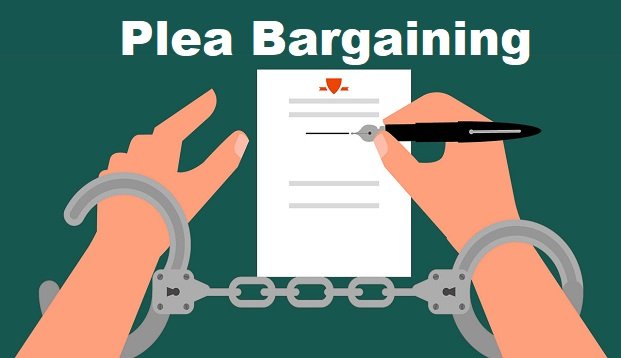
Plea bargaining refers to a process in which an accused voluntarily permits to plead guilty in exchange for certain concessions available within the legal structure. In India, the mechanism was formally introduced through the Criminal Law (Amendment) Act, 2005, which inserted provisions relating to plea bargaining into the Code of Criminal Procedure, 1973. These provisions came into force in 2006. Under the present criminal-law framework, corresponding provisions are contained in the Bharatiya Nagarik Suraksha Sanhita, 2023 (BNSS).
The Indian path to plea bargaining is relatively restricted. It is generally available for offences that are not punishable with death, imprisonment for life, or imprisonment exceeding seven years, subject to the exclusions and conditions prescribed by law. Certain offences affecting socio-economic conditions, women and children may fall outside its scope. The process is also not only an informal negotiation between the prosecution and the accused. The court has an important role in ensuring that the application is voluntary and that the statutory requirements are fulfilled.
One of the significant features of plea bargaining is that it seeks to balance the interests of different participants in the criminal justice system. An accused may receive a reduction in punishment, while the victim may participate in discussions relating to compensation. At the same time, courts may be able to dispose of appropriate cases more efficiently, thereby reducing the burden of prolonged litigation.
Despite these potential advantages, plea bargaining raises several concerns. A fundamental issue is whether an accused may plead guilty because of fear, financial difficulties, inadequate legal assistance or the desire to avoid a lengthy trial. Such circumstances can raise serious questions regarding voluntariness and the protection of procedural rights. There may also be an imbalance in bargaining power between the prosecution and an individual accused, particularly where the accused lacks adequate legal representation.
The interests of victims also require careful consideration. Although compensation can provide practical relief, justice cannot always be measured financially. Victims should not feel compelled to accept an arrangement merely because it provides a quicker resolution. The limited awareness of plea bargaining among litigants and the relatively narrow statutory framework have further contributed to its restrained use in India.
The future of plea bargaining in India therefore depends on maintaining a careful balance between efficiency and fairness. Greater awareness among lawyers, judicial officers and litigants can motivate its appropriate use. Courts must ensure that every plea is voluntary, informed and supported by effective legal representation. Technology may also assist in improving procedural transparency and case management.
Ultimately, plea bargaining should not be viewed simply as a shortcut to dispose of criminal cases. It is a legally regulated mechanism that can contribute to timely justice when applied carefully and within constitutional and statutory safeguards. In a justice system where prolonged litigation can undermine access to justice, a balanced and accountable plea-bargaining framework may play a meaningful role in making criminal justice more efficient while saving the rights of the accused and the legitimate interests of victims.