Bombay High Court Reaffirms Bar Council’s Exclusive Authority Over Advocates’ Professional Misconduct
The court in the significant order, which has an impact on the independence of the legal profession, said that professional misconduct could only be investigated by the Bar Council under the Advocates Act, 1961 and not by the police under the police act. The ruling echoes the law on legal ethics, and clearly separates legal misconduct from criminal acts.
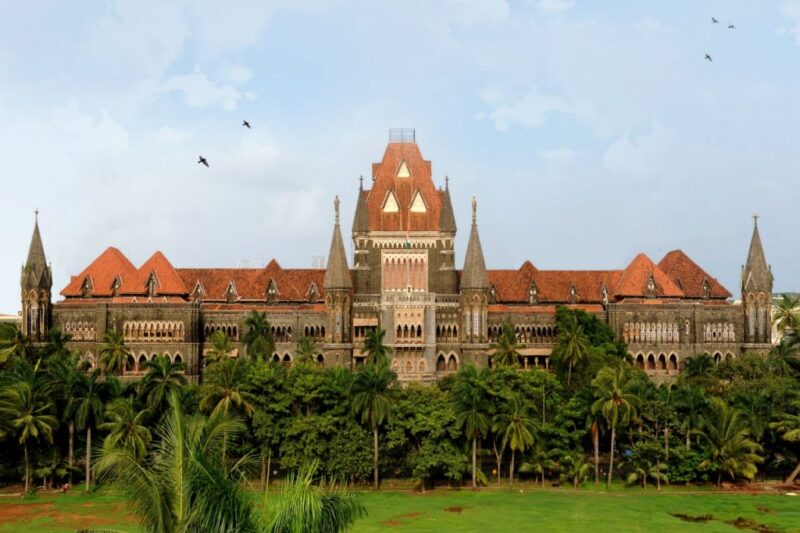
The High Court reportedly heard a case involving allegation against an advocate on professional conduct in the practice of law. The question was whether it would be acceptable to the police for them to launch an investigation into something that would essentially be an ethical or professional issue of an advocate. The Court explained that if these charges are only about conduct related to professional matters, then it is the Bar Council of the particular profession that has the jurisdiction to deal with the matter.
State Bar Councils and the Bar Council of India under the Advocates Act have the power to both discipline advocates for professional or other misbehaviour and to take other action to control the conduct of advocates. Disciplinary committees review complaints against advocates and can impose reprimand, suspension and even removal from the rolls of advocates. The statutory procedure was expressly formulated to maintain the independence of the profession while at the same time providing for accountability in the legal profession.
In order to avoid the unlawful and unprofessional interference of the Police authorities in the functioning of the special disciplinary set-up provided under the Advocates Act, the Bombay High Court said that any such behavior on the part of an Advocate should not be investigated by the Police. The legal profession holds a special place in the administration of justice and disciplinary control has been deliberately delegated to professional regulatory bodies, not regular law enforcement bodies.
Meanwhile, the Court’s decision does not provide any blanket immunity for advocates against prosecution for criminal offenses. If the allegations reveal the commission of a cognizable criminal offence, such as fraud, forgery, cheating, criminal breach of trust or intimidation, the police have full powers to investigate under the criminal law. The demarcation made by the Court is, therefore, very important: Professional misconduct is within jurisdiction of the Bar Council, while criminal offences are within the jurisdiction of ordinary criminal investigation.
The judgment is significant because problems with advocates often occur when there is conflict between advocate and client, disagreement over how to proceed with a case, or dissatisfaction with a legal result. Requiring all allegations of professional misconduct to be investigated as criminal charges would have a chilling effect on the independence of advocates and would adversely affect how they work professionally.
But critics might say that the disciplinary procedures of the Bar Council are delayed and do not effectively enforce discipline. Issues have been raised again and again about lengthy disciplinary procedures and lack of proper accountability in professional organisations. As a result, some feel that more effective supervision is needed to ensure public trust in the legal profession.
However, the decision of the Bombay High Court once again establishes an important rule in the area of legal regulation: the responsibilities of the profession and criminal liability are distinct. The Court has affirmed the independence of the legal profession and the statutory framework of the Advocates Act, 1961, which was intended to leave the Bar Council the sole body to deal with professional misconduct.