Consumer Rights in India: Empowering Every Buyer
Every day, millions of people buy goods and services, whether online, in vernacular markets, or through large retail stores. While shopping has become easier than ever, consumers often tackle problems such as defective products, misleading advertisements, poor-quality services, late deliveries, and unfair pricing. Consumer rights play a crucial role in saving buyers from such unfair practices and ensuring that businesses remain accountable.
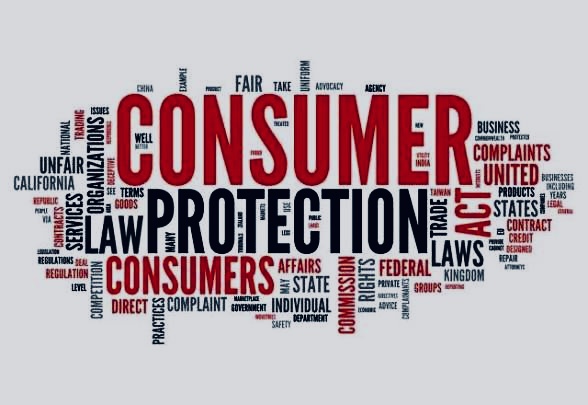
In India, consumer protection has significantly changed with the enactment of the Consumer Protection Act, 2019. This law empowers the claims of consumers, introduces faster dispute resolution procedures, and recognizes the growing importance of e-commerce. It aims to create a clear marketplace where consumers can make informed choices without fear of exploitation.
One of the most relevant consumer rights is the Right to Safety, which saves individuals from hazardous goods and services. Products such as electrical appliances, medicines, food items, and children’s toys must meet prescribed safety standards. Consumers have the right to expect that the products they purchase will not harm their health or life when used properly.
Another significant right is the Right to Information. Consumers must receive complete and accurate information regarding a product’s quality, quantity, ingredients, manufacturing date, expiry date, price, and warranty. Honest labeling allows buyers to compare products and make informed purchasing decisions. False claims and misleading advertisements infringe this right and may attract legal action.
The Right to Choose ensures that consumers have permission to a variety of goods and services at competitive prices without being forced to buy unwanted products. Practices such as mandatory bundling of products or monopolistic behavior by sellers weaken consumer choice and are discouraged under consumer protection laws.
Consumers also enjoy the Right to be Heard, which safeguards that their complaints and pains will receive proper consideration. Businesses are encouraged to establish customer grievance mechanisms, while government authorities provide platforms where consumers can report unfair trade practices. Timely hearing of complaints promotes accountability and builds public confidence in the markets.
The Right to Seek Redressal permits consumers to claim compensation for defective goods, deficient services, or unfair trade practices. The Consumer Protection Act establishes Consumer Commissions at the District, State, and National levels, providing an accessible forum for dealing disputes. Consumers may receive options such as refunds, replacement of products, compensation for losses, or removal of product defects.
Another important safety is the Right to Consumer Education. Awareness allows consumers to acknowledge unfair practices, understand their legal rights, and take appropriate action when those rights are infringed . Educational campaigns by government bodies, educational institutions, and consumer organizations have contributed significantly to increasing public awareness.
The rise of digital commerce has introduced new issues, including fake reviews, counterfeit products, phishing scams, and online payment fraud. The Consumer Protection Act, 2019 addresses many of these problems by regulating e-commerce platforms and prohibiting misleading advertisements and unfair online practices. Consumers should always verify seller information, read product reviews carefully, and retain invoices and payment receipts while shopping online.
Consumer rights are meaningful only when individuals actively exercise them. Reporting defective products, filing complaints against unfair businesses, and spreading awareness among others contribute to a healthier and more clarity marketplace. Businesses that prioritize quality, honesty, and customer satisfaction ultimately benefit by earning consumer trust and long-term loyalty.
In conclusion, consumer rights are basic to ensuring fairness, transparency, and accountability in the marketplace. Every consumer should understand these claims and use the legal remedies available whenever necessary. An informed consumer is not merely potential of protecting personal interests but also contributes to building a more ethical and responsible economy where both consumers and businesses can thrive.