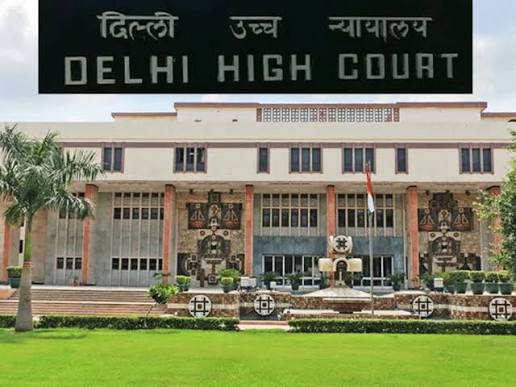
The Delhi High Court has declined to give an order for re-polling of the Bar Council of Delhi Election
The Delhi High Court refused to re-poll in elections to the Bar Council of Delhi (BCD) in a landmark decision in the sphere of elections of professional bodies. The ruling reaffirms what the court has said repeatedly in his rulings, namely that election-related complaints are best settled through the proper process under the law, not in advance by the courts.
The controversy started when some of the activists and aspirants called out the irregularities in the conduct of Bar Council of Delhi elections. The petitioners had asked the High Court to order for a fresh Polling for election and have argued that the flaws in the election had rendered it unfair and uncredible. There were rumours of concerns about electoral process management and process of voting.
But the High Court refused to allow the re-polling of the electorate. The Court stressed that elections, whether for legislative bodies or professional institutions, are not something that can be taken lightly. Generally, judicial intervention in an active or completed electoral process has been done sparingly and with prudence, especially in the presence of other provisions in the legal framework for redress.
The decision is based on an established principle in election law, that elections should not be disturbed unless there is clear and compelling evidence of significant irregularity which would affect the outcome. Genuine allegations and/or dissatisfaction with the procedures are not enough to set aside an election or to call a new poll. The courts have held that democratic processes, such as elections to statutory professional bodies, have to be allowed to run to their logical conclusion before challenges are considered in-depth.
Bar Council of Delhi is playing an important role in the legal profession. It oversees advocates enrolled at Delhi, protects the professionalism and standards of advocates and is an important part of the administration of legal ethics. Therefore, the election to the Bar Council is a closely-followed event among the members of the legal profession as it affects the makeup of the institution that will oversee thousands of advocates.
A second distinction between irregularities and illegality is also illustrated by the High Court’s decision not to order a re-poll. Not all procedural missteps result in a tainted election. In general, the courts require evidence that the irregularity “materially affected the result” or “undermined the integrity of the electoral process.” If there was no evidence, then fresh elections could lead to instability and further complaints over election results.
In general, the decision upholds the principle of judicial restraint in elections. Whether or not the election dispute should be taken up by the specialized forum or the election petition is an issue that has been consistently discussed in Supreme Court and various High Courts. Judicial excesses may slow down democratic institutions and leave doubts about the legitimacy of elected bodies.
It must be noted, however, that the judgment should not be considered to offer a blanket protection for election officials. If there is credible evidence of malpractice, fraud or significant procedural errors, there are legal remedies available. The Court only said that the standard for a re-poll is high and that it requires convincing material and not speculations.
In the end, the Delhi High Court’s ruling strikes a balance between safeguarding the sanctity of the polls and upholding the autonomy of electoral bodies. The Court reiterated that it will not destabilize democratic and professional institutions by issuing a judicial order that requires re-polling unless there are compelling reasons. The judgment is a salient reminder that election disputes are to be handled within the framework of law, keeping fairness and finality as paramount considerations.