
Legal Notice for Divorce in India: Procedure, Legal Requirements, and Practical Considerations
Marriage is recognized as a legally enforceable relationship that carries with it various claims and duties. However, when the marital relationship irretrievably breaks down due to persistent disputes, cruelty, desertion, or other legally recognized grounds, divorce may become the appropriate legal remedy. While Indian law does not compulsory the issuance of a legal notice before filing every divorce petition, serving a legal notice is often considered a prudent legal step, particularly where the parties seek to interact their grievances, initiate negotiations, or explore the possibility of an amicable resolution.
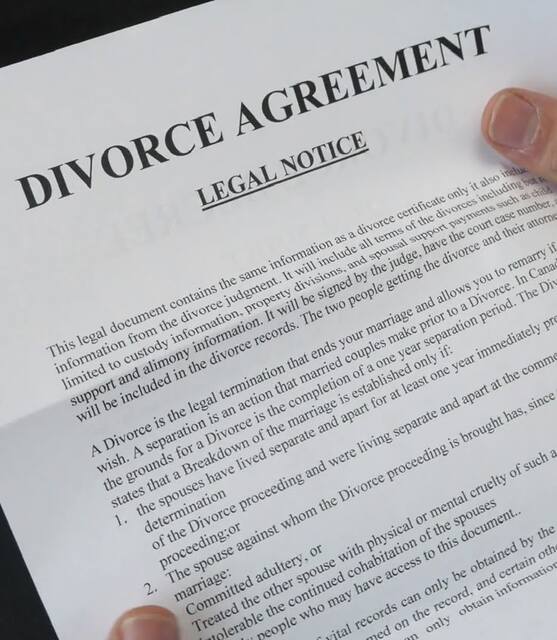
A legal notice for divorce is a formal communication sent by one spouse, through an advocate, to the other spouse expressing the mindset to seek dissolution of the marriage. It outlines the circumstances that have led to the breakdown of the marital relationship, particulars the legal grounds on which divorce is proposed, and may include demands relating to maintenance, child custody, visitation rights, return of dowry articles or stridhan, and division of matrimonial property, wherever applicable.
The process begins with consulting a qualified family law advocate. During the consultation, the advocate examines the facts of the case, reviews relevant documents, and advises the client on the appropriate legal remedy available under the applicable personal law. Relying upon the circumstances, divorce may be sought on grounds such as cruelty, adultery, desertion, conversion, mental disorder, or by mutual approval under the relevant statutory provisions.
Once the legal position is assessed, the advocate prepares the legal notice. A professionally drafted notice generally contains the names and addresses of both spouses, the date and place of marriage, a concise narration of the relevant facts, the legal grounds supporting the proposed divorce, and the reliefs sought by the sender. The notice also specifies a reasonable period generally between 15 and 30 days for the recipient to respond. The materials of the notice must remain factual, precise, and free from defamatory or unnecessary allegations.
After drafting, the legal notice is served upon the other spouse through a reliable mode such as registered post, speed post, courier service, or any legally acceptable electronic method where appropriate. Proof of dispatch and delivery should be carefully preserved, as it may become relevant during subsequent legal proceedings.
Upon receipt of the notice, the recipient may choose to agree the proposals, deny the allegations, seek mediation, or issue a formal reply through legal counsel. In many instances, the exchange of legal notices facilitates negotiation and settlement, thereby avoiding prolonged litigation. If the parties mutually decide to dissolve the marriage, they may proceed by filing a petition for divorce by mutual consent before the competent Family Court. Conversely, if no settlement is reached, the aggrieved spouse may institute a contested divorce petition in accordance with the applicable legal procedure.
It is important to understand that the issuance of a legal notice does not, by itself, terminate the marriage or create any legal decree of divorce. A marriage can only be ended by an order of a competent court after considering the evidence and complying with the procedural requirements prescribed by law.
In conclusion, although a legal notice is not mandatory in every divorce proceeding, it serves as an effective legal tool for formally communicating grievances, preserving documentary evidence, and encouraging negotiated settlements. Seeking timely legal advice and ensuring that the notice is drafted with clarity, accuracy, and legal precision can significantly contribute to saving the rights and interests of the parties involved while facilitating a structured approach to matrimonial dispute resolution.