
Court Orders BTV News to Pay ₹1 Lakh for Defaming Karnataka Bank
Introduction
A Bengaluru civil court has imposed a ₹1 lakh compensation on Kannada news channel BTV News for allegedly defamatory statements that it made regarding Karnataka Bank Limited’s financial stability and internal administration. The court further directed the channel to air an apology and banned it from issuing any defamatory comments in the controversy.
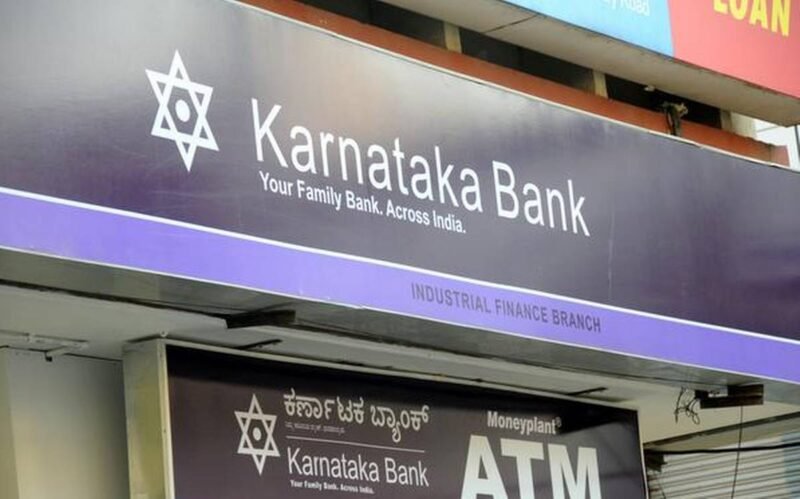
Additional City Civil and Sessions Judge RY Shashidhara of Karnataka Bank Ltd. vs. BTV delivered the judgment on October 1. The court ruled that the channel had not adhered to the journalistic principles and had not substantiated its claims with credible sources.
The Dispute’s Background
The disagreement occurred after the resignation of Managing Director and Chief Executive Officer (MD and CEO) of Karnataka Bank, Srikrishnan Hari Hara Sarma, in June 2025. The resignation came in the wake of an audit for the financial year 2024–25, which is said to have exposed his expenditure of around ₹1.16 crore which was over and above his delegated powers.
The bank says BTV News aired sensational statements regarding its financial status, management and customer deposits without any due diligence in verifying the facts. The channel reportedly indicated that the funds of the depositors might be drawn out and urged their customers to be careful while opening accounts.
Karnataka Bank argued that these broadcasts caused damage to its reputation as well as apprehension among depositors and investors of the bank and impacted its business interests. It subsequently instituted a defamation suit seeking damages, a public apology and a permanent injunction.
Any rulings and orders of court
The channel, it is said, did not appear before the court although summons had been served and the proceedings were continued ex parte.
The court reviewed the bank’s evidence, such as the testimony of its Chief Business Officer, audited financial statements, the Chief Business Officer’s resignation letter and the recordings of the broadcasts.
Reviewing the evidence, the court determined that the allegations had not been backed by adequate evidence or credible supporting material. It believed the broadcasts have damaged the bank’s reputation and business interests.
The court, accordingly, declared that the suit is filed and gave an award of ₹1 lakh and ordered the channel to apologize and that it should not publish any defamatory statement in future about the issue.
Legal Implications
The ruling underscores the need for responsible reporting and the repercussions of reporting unverified allegations. The press plays a vital role in a democratic form of government and is protected by the freedom of speech and expression guaranteed by Article 19(1)(a) of the Constitution. But Article 19(2) restricts this freedom of expression within reasonable limits, including limits on defamation.
The finding is also on the doctrine of the “due diligence” of media organisations in broadcasting statements that may harm the reputation of individuals or institutions.
Conclusion
The verdict is a reminder that there are responsibilities of freedom of media. Investigative journalism and public-interest reporting are vital and need to be carried on, but sensationalism is not an alternative to verification. The court has pointed to a need for a balance between respect for freedom of expression and protection of reputation, and accountability, in order to protect freedom of expression.