
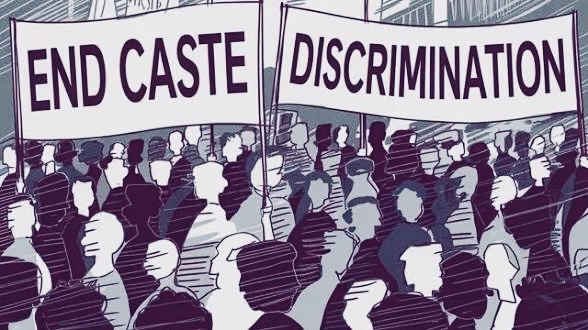
“CASTE-BASED DISCRIMINATION IN EDUCATIONAL INSTITUTIONS IN INDIA: REALITY OR PERCEPTION?”
Education is often called as the most efficient tool for societal change and non-discrimination. Education is often regarded as the most shining instrument for achieving equality and social mobility. In India, educational institutions are believed to provide an environment where students are judged solely on their merit, talent, and hard work. However, the query of whether caste-based discrimination in educational institutions is a reality or only a perception resumes to create intense debate. While relevant legal and policy measures have been executed to eliminate caste prejudice, instances of discrimination suggest that the issue remains a difficult social reality rather than a mere perception.
India’s Constitution safeguards equality before the law and denies discrimination on the basis of caste. Articles 15 and 17 specifically outlaw caste-based discrimination and untouchability. Furthermore, reservation policies in educational institutions were introduced to provide opportunities to historically marginalized communities, particularly the Scheduled Castes (SCs) and Scheduled Tribes (STs). These measures have undoubtedly risen permission to education and representation in higher educational institutions.
Despite these constitutional safeguards, several reports and studies indicate that caste-based discrimination continues to prevail in various types. It may not always be overt or visible, but it often manifests through social exclusion, stereotyping, biased treatment, and unequal opportunities. Students from deprived castes sometimes face derogatory remarks, isolation in hostels, exclusion from peer groups, or assumptions regarding their academic capabilities based solely on their caste acknowledgement. Such experiences can negatively impact their self-esteem, academic performance, and mental distress.
Several incidents reported in esteemed institutions have brought national focus to this issue. Cases involving student suicides and allegations of institutional discrimination have put debates about if educational spaces truly provide equal opportunities to all. These incidents show that while distinction may not be widespread in every institution, its presence cannot be underestimated. Even a few instances are significant because educational institutions are expected to uphold the highest standards of equality and all-in progress.
On the other hand, some argue that caste-based discrimination is often overstated and that modern educational campuses have become rapidly inclusive. They contend that communications among students today are influenced more by economic background, language, region, and academic performance than by caste. According to this view, reservation policies and increasing awareness have substantially decreased caste barriers, and perceptions of discrimination may sometimes arise from social sensitivities rather than actual discriminatory conduct.
However, removing the issue entirely as a perception would overlook the lived experiences of many students. Perception itself is often shaped by real social conditions. When a significant number of students from deprived sectionsconsistently report feelings of exclusion or bias, these experiences deserve grave consideration. The problem lies in distinguishing isolated incidents from systemic patterns while ensuring that genuine grievances are deal effectively.
The recommendation needs educational institutions to foster an environment of respect, diversity, and inclusion. Anti-discrimination structures, sensitization programs, counselling services, and clarity grievance redressal systems must be empowered. Students and faculty alike should be motivated to challenge stereotypes and promote mutual understanding.
In conclusion, caste-based discrimination in Indian educational institutions is not only a perception; it remains a social reality for many students, although its forms have emerged over time. While substantial development has been made through constitutional safety and educational reforms, achieving true equality requires continuous steps to ensure that every student can learn and thrive without threat of prejudice or exclusion.