DMRC Apologizes to Supreme Court Over Metro Restrictions
Introduction
Delhi Metro Rail Corporation (DMRC) has submitted an unconditional apology in the Supreme Court proceedings related to the restrictions on the entry of the metro stations during the protest of the Cockroach Janata Party (CJP) on 10th October, 2026.Delhi Metro Rail Corporation (DMRC) has submitted an unconditional apology to the Supreme Court in proceedings regarding restrictions placed on entry into the metro stations during the protest of Cockroach Janata Party (CJP) on 10th October, 2026. The apology comes after the Court issued a Contempt Notice for alleged failure to comply with the directions issued in the case to ensure that essential public transport is not banned in violation of the Court’s directions. But DMRC has said it has not done any cut in train services and followed the Court’s directions.
Background of the Dispute
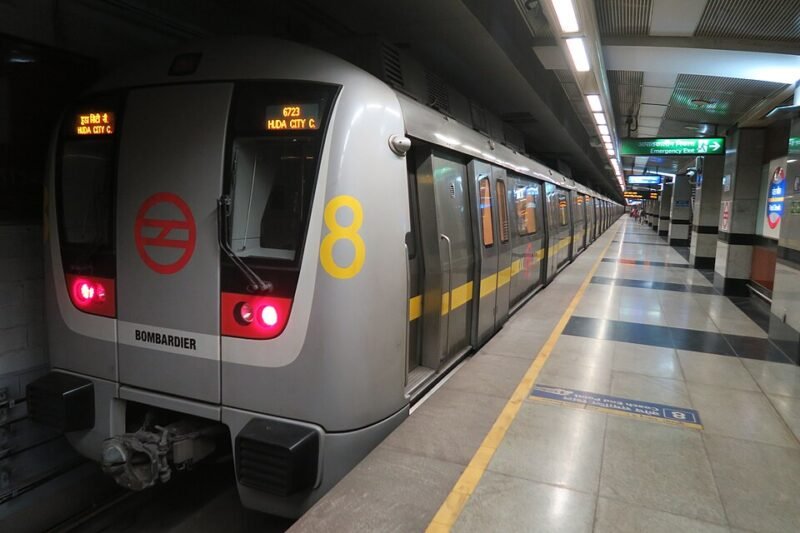
The Supreme Court, in M.A. Baby v. Union of India, asked questions about the police instructions to restrict operations at 57 metro stations and railway services on October 9, ahead of the protest at Jantar Mantar. The Court noted that the measures were excessive, since they impacted essential public transport.
The Court has explained that the regulation of the metro and railway services can be done with the aim of maintaining public order, but there should be no absolute ban on their operations. It also noted that the changes have to be proportional, convenient for the public and clearly communicated.
A Petitioner contended that the directions issued on October 9 have been violated and on October 11, a Bench of Justices Joymalya Bagchi and V. Mohana had issued contempt notices to the Union Home Secretary, Delhi Police Commissioner and Chair of DMRC.
DMRC’s Explanation
On October 14, Thara filed an affidavit of apology and asked to be discharged from the contempt notice. Entry and exit restrictions to 45 of the 303 stations of DMRC have been reduced from the initial 57 station proposal after he stated on October 10 that all 4,157 scheduled train trips were run.
The corporation also shared data showing the ridership dropped to around 32 lakh passengers from a normal second Saturday of about 58 lakh. It blamed the drop on the protest and commuters’ decisions to not travel, rather than cuts to train services. These are not final judicial findings, but DMRC’s submissions.
Legal Significance
The conference emphasises the difference between the need for public transport security regulation and restrictions that cause undue inconvenience to the public. Both Article 21 which guarantees life and personal liberty and Article 19(1)(d) which guarantees the freedom of movement of a citizen, subject to the requirements of the constitution, are protected.
A determination by the courts in contempt proceedings under the Contempt of Courts Act, 1971, of whether there was a wilful breach of the order. An apology does not automatically end proceedings, but rather, the circumstances need to be reviewed along with the explanation provided by the individual.
Conclusion
It highlights that the public safety measures are required to be proportionate and in line in accordance with judicial directions. The Supreme Court will now review DMRC’s explanation and whether its apology and compliance is sufficient to address the allegations. Presuming no finding of contempt against the Chairperson shall be made until such time.
