
Influencers and the Law: Who Is Responsible When Online Advice Causes Harm?
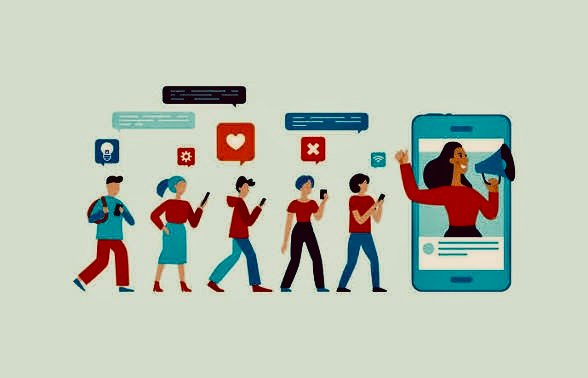
Social media has transformed ordinary individuals into powerful sources of information. Influencers today do more than entertain; they recommend financial products, skincare routines, health treatments, legal strategies, educational courses, and lifestyle choices to millions of followers. However, when such advice causes financial loss, physical injury, or other forms of harm, an important legal question arises: who should be held responsible?
The first point of responsibility generally lies with the influencer when they knowingly make false, misleading, or deceptive claims. Influencers often build trust with their audiences, and their recommendations may be perceived as personal experiences rather than advertisements. If an influencer promotes a product without disclosing that they have been paid for the promotion, consumers may be misled about the independence of the recommendation.
In India, consumer protection law has increasingly recognised the role of social-media influencers in advertising. The Consumer Protection Act, 2019 provides a framework against misleading advertisements and unfair trade practices. Influencers who endorse products can face consequences where their representations are misleading, particularly when they fail to exercise reasonable diligence before making claims. The Central Consumer Protection Authority (CCPA) has also issued guidelines concerning misleading advertisements and endorsements, placing greater emphasis on transparency and disclosure.
However, responsibility does not automatically rest with the influencer alone. The brand, manufacturer, advertiser, or service provider may also be legally responsible. If a company supplies inaccurate information to an influencer and asks them to promote a product based on those claims, liability may extend to the company. Similarly, where a defective product causes harm, product-liability provisions may become relevant irrespective of the influencer’s involvement.
The situation becomes more complicated when influencers provide advice in specialised areas such as medicine, finance, or law. A follower may act on a health-related recommendation and suffer injury, or invest money based on an influencer’s financial claim and incur substantial losses. In such cases, questions of negligence, professional responsibility, consumer protection, and statutory regulation may arise depending upon the circumstances. Merely calling something a “personal opinion” may not always eliminate legal consequences if the overall communication functions as a commercial endorsement or contains objectively misleading representations.
Another important issue is disclosure. Influencers should clearly communicate when their content is sponsored, paid, gifted, or otherwise connected to a commercial relationship. The Advertising Standards Council of India (ASCI) requires appropriate disclosure labels for influencer advertising. Transparency allows audiences to distinguish genuine personal recommendations from paid promotions.
At the same time, the law must maintain a balance between accountability and freedom of expression. Not every unsuccessful recommendation should result in legal liability. People are generally entitled to express opinions, share personal experiences, and discuss products or services. Liability should therefore depend upon factors such as the nature of the representation, the influencer’s knowledge, the existence of commercial involvement, the foreseeability of harm, and the extent to which reasonable care was exercised.
Ultimately, the growth of influencer culture has created a new form of digital responsibility. Influence can have consequences, particularly when millions of people rely on a creator’s words before making important decisions. Influencers cannot simply treat their online reach as separate from legal accountability.
The emerging principle is therefore straightforward: with greater influence comes greater responsibility. As digital advertising continues to expand, Indian law will increasingly have to determine where legitimate opinion ends and legally actionable advice or misrepresentation begins. The challenge is not to silence influencers, but to ensure that influence is exercised honestly, transparently, and responsibly.