LGBTQ+ Rights in India: Progress, Challenges, and the Path for the Future.
The acknowledgement of LGBTQ+ rights has become one of the most relevant progresses in contemporary constitutional democracies. In India, the path toward equality has been marked by decades of activism, judicial interruptions, and evolving public awareness. While legal reforms have brought thought to millions, members of the LGBTQ+ community continue to face discrimination, social exclusion, and barriers to equal opportunities. The pursuit of dignity, equality, and freedom persists an ongoing constitutional word.
The Indian Constitution guarantees equality before the law, non-discrimination, liberty of expression, and the right to life and personal liberty. These principles extend to every individual, irrespective of their sexual orientation or gender identity. However, for many years, Section 377 of the Indian Penal Code criminalized consensual same-sex relations, reinforcing stigma and differentiation against LGBTQ+ persons.
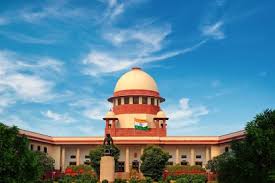
A historic turning point came in 2018 when the Navtej Singh Johar v. Union of India decision decriminalized consensual same-sex relations between adults. The Supreme Court declared that criminalizing private consensual relationships infringed the constitutional rights to equality, privacy, dignity, and personal liberty. The judgment stressed that constitutional morality must prevail over social prejudice and affirmed that every individual has the right to live with dignity and express their identity without threat.
Another significant milestone was the enactment of the Transgender Persons (Protection of Rights) Act, 2019, which finds out to deny discrimination against transgender persons in education, employment, healthcare, housing, and public services. The Act also recognizes the right of transgender individuals to self-identify their gender, although aspects of its execution and procedural necessities have been the subject of continued debate among activists and legal scholars.
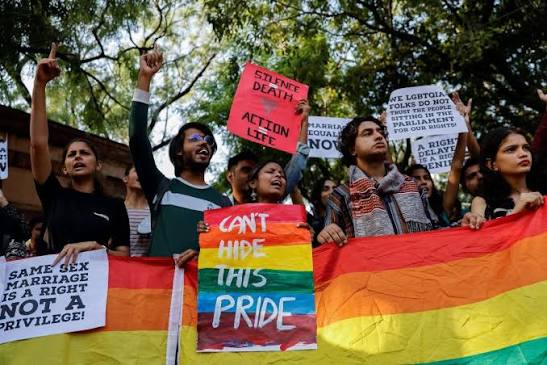
Despite these legal developments, many challenges persist. Same-sex marriages are not currently recognized under Indian law, extent access to important legal rights related to inheritance, adoption, succession, taxation, and medical decision-making. In 2023, the Supriyo v. Union of India judgment held that the recognition of same-sex marriage falls within the ambit of Parliament rather than the judiciary, while also acknowledging the need to protect LGBTQ+ individuals from discrimination.
Beyond legal recognition, societal attitudes remain a major barrier. Many LGBTQ+ individuals resume to experience bullying in educational institutions, workplace discrimination, family rejection, and mental health challenges resulting from social stigma. Limited assent to all-in healthcare, inadequate legal awareness, and the absence of comprehensive anti-discrimination legislation further complicates the realization of equal rights.
Empowering LGBTQ+ rights requires a collective effort involving governments, educational institutions, employers, civil society organizations, and citizens. Schools and universities should foster inclusive environments through awareness programs and anti-bullying policies. Workplaces must enact diversity and inclusion initiatives that assure equal employment opportunities and respectful treatment of all employees. Healthcare providers should receive appropriate training to offer sensitive and non-discriminatory services.
The judiciary has played a dynamic role in broadeningconstitutional safety, but sustainable progress also depends on legislative reforms and changing societal perceptions. Public awareness schemes, inclusive education, and meaningful dialogue can help decrease prejudice and motivate acceptance. Equality is not only about legal recognition but about ensuring that every individual can participate fully in society without threat of discrimination.
The emergence of LGBTQ+ rights in India shows the broader constitutional vision of justice, liberty, equality, and fraternity. While important milestones have been achieved, the journey toward full inclusion continues. Building an inclusive society requires respect for diversity, protection of human dignity, and unwavering commitment to fundamental rights. A nation truly upholds constitutional values when every individual, regardless of sexual orientation or gender identity, enjoys equal opportunities, equal protection under the law, and the liberty to live authentically with dignity and pride.