Supreme Court raises a finger against the states over shortage of public prosecutors
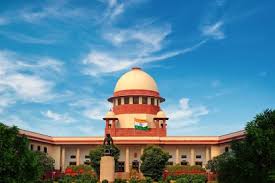
The Supreme Court of India has given a bad name to the state governments for not taking action against the severe shortage of public prosecutor in the country, which is one of the prime reasons of delays in criminal justice system in India. In the hearing, the Court asked about frequent pendency complaints and judicial backlogs, besides essential posts like prosecutors remain vacant for long periods.
The Bench is said to be asking, “Where does the problem lie?” and, at the same time, stressing that a proper delivery of justice requires enough prosecutors. The Court called on the relevant authorities in the state to make all necessary appointments during the vacation period of the court and to improve the prosecution departments throughout the country.
The public prosecutor is an important player in the criminal justice process. They appear in criminal trials for the State, help the court to ensure fair prosecution, cross-examine witnesses, and counsel against grants of bail, and contribute to ensuring the balance of proceedings between the accused and the victim. The lack of prosecutors has a direct impact on the speed and quality of criminal trials, sometimes leading to adjournments, delay in evidence and extended time spent locked up awaiting trial.
The Court’s observations are important as India is already facing a huge backlog in courts. There have been reports of pending thousands of cases across multiple courts and criminal cases make up a big part of the pending cases. The lack of adequate prosecutors also diminishes the system by delaying trial and decreasing effective cooperation and interaction between investigators and the court.
The matter assumes grave importance where there is a strict law for drugs like NDPS Act, anti-terror laws and offences against women and children, as speedy prosecution is of paramount importance. The delay also results in violation of the right of the accused to a speedy trial as prescribed by Article 21 of the Constitution and also has an impact on the confidence of victims in the justice system.
The Supreme Court’s criticism is a sign of larger issues in the development of the legal system in India. Governments often want more stringent laws and increased punishments, but investments in prosecutors’ capacity are frequently forgotten. Enforcement bodies still lack staff members due to unfilled positions, under-compensation, conditions and a lack of institutional training.
Another important aspect highlighted by the Court is that prosecutors are not merely representatives of the police or government. The Indian judiciary has always held that prosecutors are officers of the court and their first responsibility is to ensure fairness and justice and not to win any convictions. Thus, a decline in prosecution services has a negative impact on the rule of law itself.
The Court’s decisions could spur the states to desperately fill vacancies and change the way they recruit. In recent years, several High Courts have also identified the lack of adequate infrastructure for prosecution departments and the lack of prosecutorial strength. ([Live Law][4])
Overall, the Supreme Court’s comments highlight that judicial reforms cannot be realised by expanding the courts. An effective criminal justice system needs top-notch judges, investigators, defence attorneys, and equally capable prosecutors. Without adequate public prosecutors, the speedy and effective justice described by the Constitution will be hard to attain.