
River Conservation and Environmental Jurisprudence in India
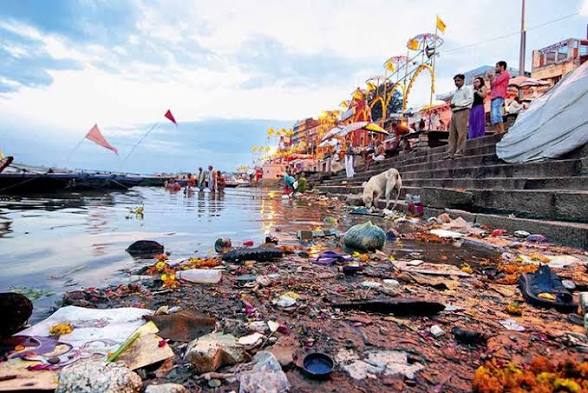
Rivers are the lifelines of civilization, providing drinking water, irrigation, electricity, transportation, and ecological balance. In India, rivers such as the Ganga, Yamuna, Brahmaputra, Godavari, and Narmada hold immense cultural, religious, and economic significance. However, rapid urbanization, industrialization, untreated sewage discharge, illegal sand mining, and encroachments have severely exploited river ecosystems. Environmental jurisprudence in India has played a vital role in saving rivers by recognizing the constitutional duty of the State and citizens to save the environment.
The Constitution of India provides a strong legal foundation for environmental safety. Article 21, which safeguards the Right to Life, has been interpreted by the Supreme Court to include the right to a clean and healthy environment. Article 48A directs the State to protect and improve the environment, while Article 51A(g) imposes a fundamental duty on every citizen to safeguard forests, lakes, rivers, and wildlife. Together, these provisions have allowed courts to develop a robust framework for river conservation.
The judiciary has significantly contributed to environmental jurisprudence through landmark judgments. In M.C. Mehta v. Union of India (1988), popularly known as the Ganga Pollution Case, the Supreme Court directed the closure and regulation of industries discharging untreated effluents into the River Ganga. The Court emphasized that economic development cannot come at the cost of environmental degradation and held that industries must comply with pollution control norms.
Another milestone was Vellore Citizens Welfare Forum v. Union of India (1996), where the Supreme Court recognized the Precautionary Principle and the Polluter Pays Principle as integral portions of Indian environmental law. The Court ruled that industries causing environmental damage must bear the cost of restoring the environment and compensating affected persons. These principles continue to guide environmental litigation involving rivers and water pollution.
The enactment of the Water (Prevention and Control of Pollution) Act, 1974, the Environment (Protection) Act, 1986, and the National Green Tribunal Act, 2010 has strengthened the legal structure for river conservation. The National Green Tribunal (NGT) has emerged as a specialized forum to address environmental disputes efficiently and has passed several directions for cleaning polluted rivers, preventing illegal mining, and ensuring compliance with environmental standards.
Despite legal safeguards, river conservation remains a major issue. Many rivers continue to receive untreated sewage and industrial waste, while extra groundwater extraction, dam construction, and climate change further threaten river ecosystems. Weak enforcement, lack of public awareness, and inadequate coordination among government agencies often undermine conservation efforts.
Effective river conservation needs a combination of strict legal enforcement, sustainable development, scientific planning, and active public participation. Governments must invest in sewage treatment plants, monitor industrial discharge, restore wetlands, regulate sand mining, and encourage rainwater harvesting. Public awareness campaigns and community participation are equally important to ensure long-term protection of river ecosystems.
Environmental jurisprudence in India has evolved from merely controlling pollution to promoting sustainable development and ecological justice. Through progressive judicial interpretations and strong constitutional values, Indian courts have reinforced that rivers are not only water resources but essential components of life and biodiversity. Protecting rivers is therefore not only a legal obligation but also a moral responsibility shared by the State, industries, and every citizen. Ensuring clean and healthy rivers today is indispensable for securing environmental sustainability and the well-being of future generations.