Shashi Tharoor writes to Delhi High Court to safeguard personality rights
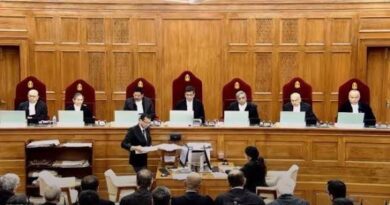
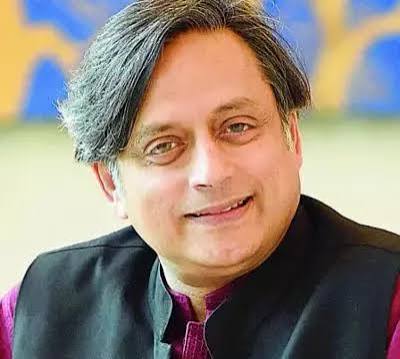
Congress MP Shashi Tharoor has filed a writ petition before the Delhi High Court against an alleged misuse of his identity on digital platforms, to safeguard his personality rights and rights to publicity. It is being heard before Justice Mini Pushkarna in the matter of the increasing concern to the courts on the subject of deepfakes, fake endorsements and unauthorized commercial use of public figures.
Tharoor’s plea, as reported, seeks to prevent misuse of his name, image, likeness, and persona, such as content created using artificial intelligence that morphs and manipulates his likeness, spreading online. There is reportedly “John Doe” defendants in the suit, a legal term for when the alleged wrongdoers are unknown.
Personality rights are also known as publicity rights, which are not explicitly defined in any one legislation of India. But Indian courts have acknowledged that they are included in the fundamental right of privacy and dignity in Article 21 of the Constitution. These rights are used to protect the rights of the person—particularly celebrities and public figures—over the commercial use of their identity, voice, image or likeness.
The Delhi High Court has become a strong court to address claims relating to “personality rights”. The Court has provided protection to several celebrities like Kajol, Jubin Nautiyal, Mohanlal, Salman Khan and entrepreneur Aman Gupta from deepfakes, fake advertisements and unlawful use of their digital content in recent months.
With the advent of AI, privacy has become a concern. Deepfake technology can realistically clone faces and voices, causing misinformation, reputation issues and fraudulent endorsements. The courts increasingly are realising that the award of monetary damages may not be enough to compensate for such violations, and, therefore, a timely injunction is warranted.
Meanwhile, the judiciary has issued warnings about the nature and scope of personality rights that might encroach upon freedom of speech, satire, parody, or even legitimate public comment. A particular concern of the constitution is the balance between individual’s reputation and freedom of expression.
Tharoor’s plea is another important milestone on India’s journey toward a more developed understanding of how to safeguard digital identity. Indian courts will no doubt be crucial in shaping the nature of personality rights in the age of AI as technology continues to intertwine reality with fabrication.