
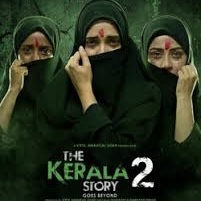
Kerala Story 2 Controversy: Which is More Important Free Speech or Social Responsibility
Introduction
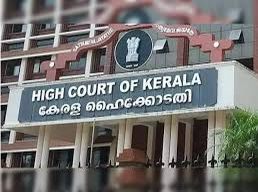
The controversy of The Kerala Story 2 has prompted some of the most basic constitutional questions of cinema, censorship and communal harmony. It is claimed that petitions to the Kerala High Court challenge the certification given by the Central Board of Film Certification according to the Cinematograph Act, 1952. The core of the controversy is the conflict between the freedom of expression and the obligation of the state to ensure the order in the population.
The Pro-Cinema Argument
The proponents of the film have used strongly the article 19(1)(a) of the constitution of India that provides freedom of speech and expression. The fell of cinema has been known to be a strong tool of artistic and political commentary. They say that disliked or contentious issues like religious conversion or radicalism cannot be suppressed simply because they are controversial.
This position is enhanced by judicial precedents. Going by case S. Rangarajan v. P. Jagjivan Ram (1989), the Supreme Court established that the freedom of expression could not be limited until there existed a clear and proximate threat to the order of the people. According to the supporters, speculative fears of unrest are not a cause to censor. They also claim that the viewers have agency and disclaimers are constitutionally proportionate solutions instead of the bans.
The Critical Perspective
Critics, however, depend on Article 19(2) that allows reasonable restrictions in the spirit of civic order, morality and decency. They cite that movies that represent vulnerable communal accounts are likely to stigmatise the community and disrupt social peace especially in a diverse society such as India.
The Section 5B of Cinematograph Act compels the CBFC to refuse certification when a film has a high chance to promote violence or disharmony. There is a question among those opposing it as to whether the Board has sufficiently explored the possible effect on society. In addition, they also express apprehensions under Article 14 (equality before law) in which selective representations can compromise constitutional principles of secularism and non-discrimination.
A Constitutional Balancing Act
The scandal ends up highlighting a constitutional balancing act. Courts have to consider the artistic freedom and the general will to have peace as per K.A Abbas v. Union of India (1970) However, post onwards reflects, censorship is a constitutional right, which should be restricted and reasonable.
The question of whether or not The Kerala Story 2 amounts to a situational protection of expression or a harmful provocation is a question that has to be considered by the court. What is undisputed is that the case will proceed in influencing the changing nature of discussion of cinema, free speech and constitutional morality in India.