
AI Summit Protest Case: The Sessions Court Stays Bail of Youth congress leader Uday Bhanu
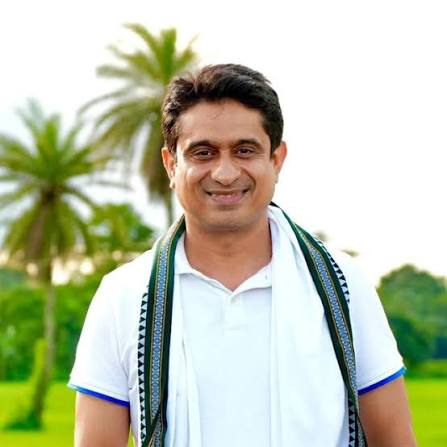
In another breakthrough to the process, a Sessions Court in Kerala has put on hold an order of bail to Uday Bhanu, the Youth Congress state president, at the hands of a Magistrate court in the case involving the Kerala protest against the AI Summit. The case is a result of the protests that were held against the Global AI Summit and several political workers were accused of breaking the law by holding protests, disrupting traffic, and violating prohibitory orders.
Previously, the Judicial Magistrate had put Uday Bhanu on bail noting that there was no need to detain him in custody and that the crimes that he had committed were not punishable by hard imprisonment. Nevertheless, this order was appealed by the prosecution to the Sessions Court because, they claimed that the Magistrate did not sufficiently weigh the severity of the alleged actions, especially their effect on the people order and the criminal lawful nature of an international event.
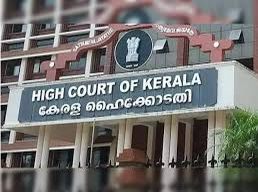
The case of the Sessions Court that it is the supervisory authority of the higher courts under the Code of Criminal Procedure that led to the stay of the bail order. Section 397 and 399 CrPC, Sessions Courts have revisional powers to review whether or not any order passed by a subordinate court is correct, lawful, or proper. Stay will not constitute cancellation of bail, however, will only temporarily put the operation of the bail on hold pending the final decision of the revision.
The constitutional perspective of the case involves Article 21 of the Constitution of India that safeguards individual freedom. Indian jurisprudence is always keen in basing its arguments on the fact that bail is the rule and jail the exception. Concurrently, the courts have the mandate to weigh personal freedom against the interests of a society particularly where claims are made regarding breach of social order.
The revision petition decision will decide whether the Magistrate rationale will be considered in accordance to the standards which are set forth by the superior courts. In addition to the case in point, the situation represents the eternal conflict between the right to protest and the need of the state to provide order- a question that is at the heart of constitutional democracy.