

The Depth Deficit: Reading in the Era of Cognitive Overload
This Article tries to analyze the Reading Patterns of reader from the Age of Authenticity to Digital Chaos or cognitive overload and a comparison contrast between the digital libraries and physical libraries, with the help of different study and research support we reach to the conclusion that this changing era depreciate the reading habits of reader and this will indicates in this article.
In the evolving era of digitalization, the paradigm shift from physical libraries to digital libraries has significantly transformed the reading habits of students from physical collection of books to digital devices. This transition has necessitated traditional libraries to undergo a transformation, evolving into more advanced and effective technological systems, as digitalization has rendered information easily accessible via smartphones and laptops, and has made us heavily reliant on electronic devices. However, this transformation has adversely affected readers’ habits of focused reading, patience, and comprehension skills, ultimately resulting in a loss of concentration and impaired memory retention.
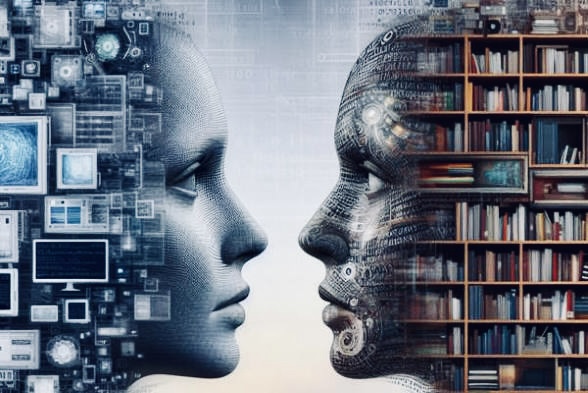
The study of Maryanne Wolf, a neuroscientist, in Proust and the Squid (2007) and other researchers, explores how the human brain evolved to read and how reading has shaped the development of culture and cognition. It analyses the profound impacts of digital technology on reading patterns and the significance of deep reading for critical thinking. When people read on digital screens, their brains tend to adopt a nonlinear scanning approach, looking for keywords rather than engaging with full sentences. Consequently, this trend erodes the habit of “deep reading” provided by physical books, which is essential for cultivating critical thinking and promoting brain development.
A similar study on the concept of “serendipitous discovery” by library scientists in physical libraries defined serendipity as an act of making unexpected and valuable discoveries by chance. This term was coined by Horace Walpole in a letter to Horace Mann in 1754, and it refers to the experience of encountering something previously unknown but pertinent. This phenomenon is an intrinsic part of reference interviews, while readers searching for a specific book on a shelf often discover neighbouring books they were not looking for but which turn out to be highly valuable. As a result, the distinctive culture of exploration unique to physical libraries is gradually being lost.
In contrast to the culture of exploration, digital libraries mainly focus on quick searching and instant results. Readers usually rely on search bars and filters to find specific information, leaving little room for serendipitous discovery. Gradually, this shift in behaviour transforms readers into passive user of information who just merely consume pre-determined content.
This digitalization has also affect academic research practices, particularly among students and early scholars. The easy access of information encourages rapid information gathering rather than sustained engagement with texts, often prioritizing speed over depth ( witnessed in the study of Maryanne Wolf). As a result, research habits increasingly rely on abstracts, summaries, and selective quotations instead of comprehensive reading. The ease of copying and compiling information from multiple digital sources further weakens analytical engagement, reducing research to mechanical aggregation rather than critical interpretation. In contrast, physical libraries demand time, patience, and deliberate effort, which naturally cultivate disciplined reading and thoughtful scholarship. This shift from reflective inquiry to instant retrieval risks producing knowledge that is wide in scope but shallow in understanding, ultimately affecting the quality of academic output and intellectual rigor.
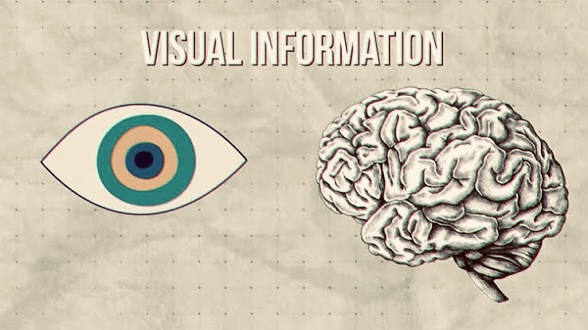
As we see the growing reliance on digital services is driven by their convenience, accessibility, flexibility, and affordability. The digital information is available in various formats, such as PDFs, e-books, audio files, and images, making it easy for users to opt for the convenience of digital storage. The prolonged dependence and continuous exposure of digital screen causes eye strain and mental fatigue. Consequently, impairs the brain’s capacity for critical thinking and trends our brain to simply accept passive information but fails to analyse the information with critical interrogation.
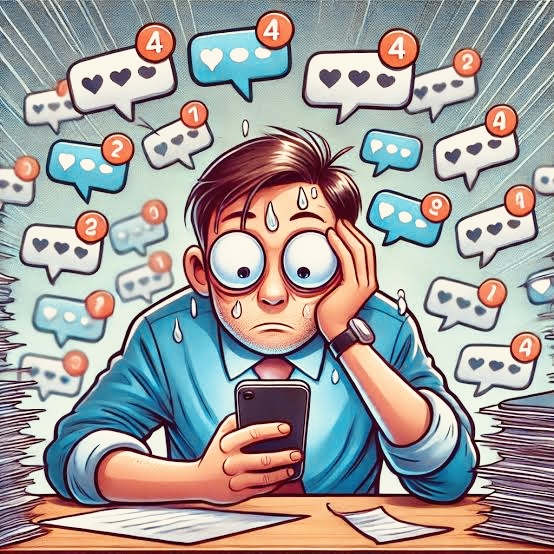
In a digital environment, access to vast array of options and abundance of research material can create cognitive overload. Moreover, the frequent appearance of notification bubbles on e-book interfaces and smartphone screens disrupts focus and distracts users. In contrast, traditional libraries provide a dynamic learning environment that fosters positive modeling, competition spirit, and growth, which is rarely experienced on digital platforms.
We have gradually shifted from being readers to becoming users, prioritizing data consumption over knowledge assimilation. Digital libraries, functioning largely as data repositories, may contain relevant content, but this dependence often distracts from the cultural essence and serene atmosphere of traditional libraries. In contrast, traditional libraries provide not only physical resources such as books, journals, and research material, but also offer educational workshop, community hubs, social engagement that promote physical and mental health in peaceful environment, supporting lifelong learning and personal growth.
Historically, education was considered as a temple of knowledge, and the relationship between students and teachers was characterized by deep respect and devotion. They live together in ashrams or gurukuls, immersed in an environment that fostered spiritual growth and knowledge sharing. Learning progressed from the individual to the global level, developing a holistic perspective and creating learning as a living ecosystem of dreams.
However, the advent of digitalization has transformed education, with digital libraries often serving as vast information repositories. While solely reliance on modern tools potentially reduce the learning capacity of the user because necessity in today’s world lies not in choosing one over other.
In sum a balanced approach is needed, combining digital resources with physical learning environments that encourage focused reading, critical thinking, and community engagement. By integrating digital tools with traditional learning methods, we can transform passive users into active learners and thoughtful observers.