Special Intensive Revision
With the recent state elections in Bihar, and also prior to it, the SIR or the Special Intensive report have come into the spotlight which is being conducted by the Election Commission of India (ECI). This Article would be elaborating the SIR.
Introduction
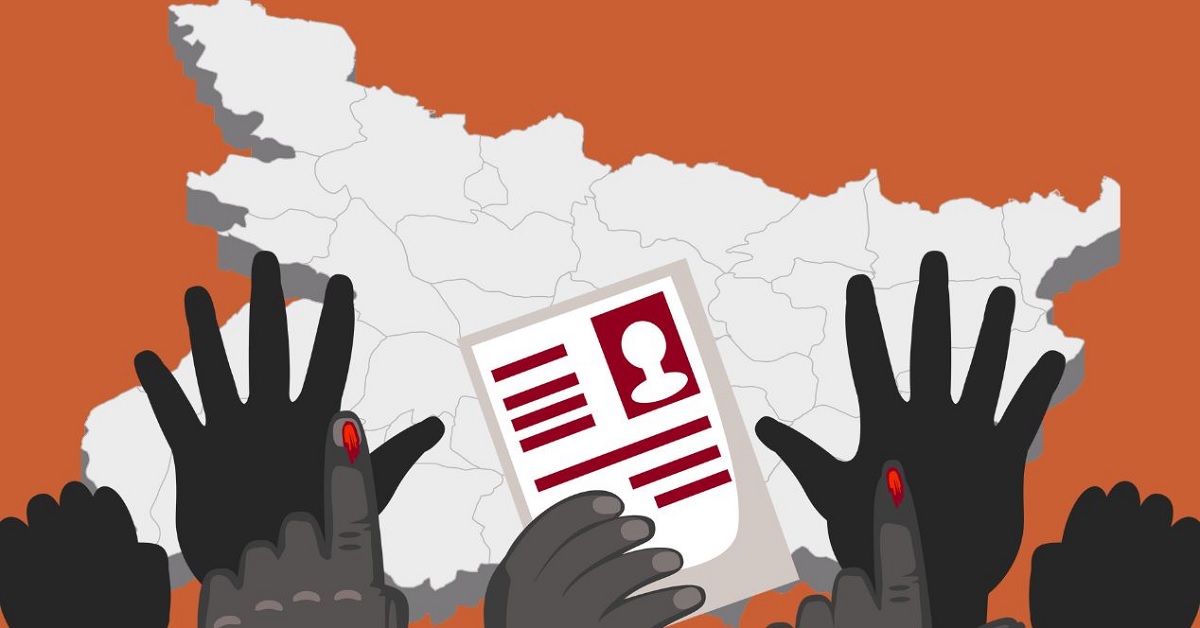
The Election Commission of India (ECI) has initiated the Special Intensive Revision (SIR) of Bihar’s electoral rolls under its constitutional powers (Article 324) and Section 21 of the Representation of People Act, 1950. The primary objective is to ensure the inclusion of all eligible citizens in the voter list while eliminating ineligible or duplicate entries, given the significant demographic changes in Bihar over the past two decades.
Unlike regular or summary revisions, the SIR involves a thorough house-to-house verification process. Booth Level Officers (BLOs) distribute “enumeration forms” to every household, collect the filled forms, and conduct detailed verification. The “qualifying date” for this revision is set as 1 July 2025, determining the eligibility of voters based on that date.
Every elector, especially those added after the last major revision in 2003, must provide documentation to verify their identity, age, and citizenship. The ECI has approved a wide range of documents, including government ID cards, birth certificates, and educational certificates, among others. The goal is to eliminate ineligible individuals (such as non-citizens or duplicates) and update records of deceased or migrated voters.
However, the SIR has faced criticism for its stringent document requirements, with concerns raised about potential disenfranchisement of the poor, migrants, and marginalized communities lacking necessary proof. Critics fear that the process resembles a citizenship verification exercise and could lead to the exclusion of a significant number of voters, particularly with the 2025 Bihar assembly elections approaching.
To address these concerns, the ECI has established a claims-and-objections period after the publication of the draft electoral roll. They have assured that no deletions will be finalized without proper notification and the opportunity for appeal.
Overall, the SIR in Bihar is a crucial administrative endeavour aimed at enhancing the accuracy and legitimacy of the voter list. However, it also raises valid concerns about potential exclusion, particularly among vulnerable populations.
Times when SIR took place
It is reported that the Special Intensive Report has been exercised 9 times between 1952-2004.
The SIR of 2003 and Bihar 2025 has been a major one.
Merits of SIR
Verification of the voter list
SIR eliminates duplicate, deceased, relocated, or fraudulent registrations to enhance the accuracy and credibility of the electoral register.
Facilitation the enrolment of new voters
Efforts are made to identify and register newly eligible voters, particularly young individuals who have reached voting age, through door-to-door visits.
Mitigation the risk of electoral malpractice
By maintaining a clean voter roll, the likelihood of identity theft, fraudulent voting, and inflated voter numbers is minimized, bolstering the integrity of the electoral process.
Enhancement of transparency
The procedure involves public scrutiny, opportunities for objections and corrections, and mechanisms for citizens to challenge inaccuracies or omissions in the voter list.
Improvements in administrative oversight
Through personal verification of households by BLOs, the accuracy and completeness of data collection are enhanced, promoting greater accountability in the electoral administration.
Demerits of SIR
Exclusion risk
Many legitimate voters, particularly those from disadvantaged groups such as the poor, migrants, elderly, women, and marginalized communities, may lack the necessary documents and face the possibility of being removed.
Heavy documentation burden
The requirement for proof of age, identity, and parentage places a significant burden on individuals who may not have access to formal paperwork.
Legal uncertainty
The term “SIT” is not clearly defined in the law, leading critics to argue that the Election Commission of India is exceeding its authority as outlined in the Representation of the People Act and associated rules.
Proximity to elections
The timing of the SIR process just before the Bihar Assembly elections has raised concerns about potential political motivations and its impact on the electoral results.
Administrative strain
Conducting a large-scale door-to-door verification in a short timeframe may result in errors, hasty deletions, or inconsistent application of the verification rules.
Citizenship implications
Critics suggest that the SIR process resembles a mini-citizenship verification exercise that could indirectly serve as a citizenship test for vulnerable groups.
Conclusion
The Special Intensive Revision in Bihar is a significant initiative aimed at improving the state’s electoral rolls by eliminating duplicates, adding young voters, and enhancing accuracy. The success of this effort hinges on its sensitive and transparent implementation. Stringent documentation requirements, tight deadlines, and inconsistent enforcement on the ground could lead to the exclusion of legitimate voters, particularly from disadvantaged communities. While the Election Commission is tasked with ensuring accurate voter lists, it must also prioritize preventing disenfranchisement.Overall, the Special Intensive Revision has the potential to enhance electoral integrity, but only if it is executed carefully, clearly, and fairly. Without these precautions, the initiative may erode trust rather than bolster it.