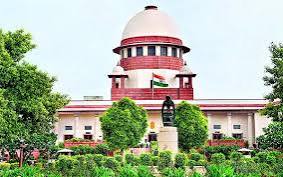
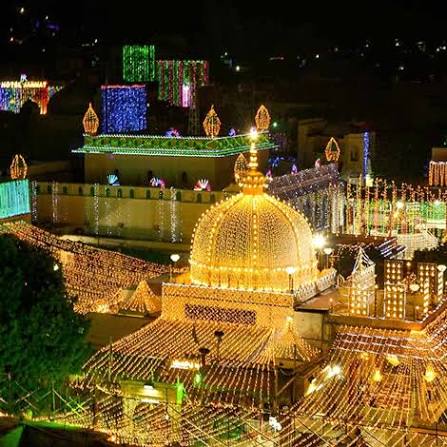
Delhi High Court Directs Centre to Appoint Ajmer Sharif Dargah Management Committee Within Three Months.
Introduction
The Delhi High Court has emphasized the need for statutory compliance and accountability in the administration of religious endowments in a significant ruling. The Court has instructed the Central Government to establish the Ajmer Sharif Dargah Committee within three months. The Court highlighted that the delay in appointing the committee under the Dargah Khwaja Saheb Act, 1955 had led to prolonged administrative uncertainty, impacting the management of the revered Sufi shrine – the Dargah of Khwaja Moinuddin Chishti in Ajmer, Rajasthan in the case of Syed Meharaj Miya v Union of India and Ors.
Background of the Case
Mr. Meharaj Miya has contended in the petition that the Centre’s failure to appoint the nine-member Dargah Committee – a statutory body established under the Dargah Khwaja Saheb Act, 1955 – had led to mismanagement and corruption. The post of Nazim, which was vacant for two years, was filled only in January 2025.
The Dargah Khwaja Saheb Act, 1955 regulates the management of the Ajmer Dargah, assigning control to a committee established by the Central Government. The Act aims for transparent governance, safeguarding waqf properties, and ensuring donations are used for public and charitable causes.
Despite the committee’s term ending long ago, the Central Government has not reformed it, prompting legal action. Petitioners argue that this delay goes against the Act’s purpose and hampers the shrine’s management, upkeep, and charitable activities.
Court’s Observation
The Division Bench of the Delhi High Court, during the hearing, expressed grave concern about the Centre’s failure to reconstitute the Dargah Committee despite clear legal obligations. The Court noted that leaving the Dargah’s operations in a legal void was unacceptable and that the Centre’s delay amounted to administrative negligence.
The bench highlighted that according to Section 4(1) of the Dargah Khwaja Saheb Act, 1955, the Central Government is obligated to form the committee, which should comprise representatives from the Muslim community, professionals, and officials to ensure fair and efficient management.
Furthermore, the Court stressed that the Dargah’s religious and cultural significance necessitates transparent and continuous supervision in line with constitutional principles of secular governance and public accountability.
Direction issued by the Court
The Honourable Delhi High Court issued the following directions to the state government –
● The Central Government must constitute the new Dargah Committee within three months in accordance with the Act.
● The process of nomination and verification of members shall be transparent and merit-based, ensuring community representation and administrative competence.
● Interim arrangements, if any, must continue only until the statutory committee is formally appointed.
Conclusion
The Delhi High Court’s ruling emphasizes the importance of the judiciary in maintaining the legal governance of religious institutions, preventing administrative delays from undermining trust and transparency. The decision confirms that even in religious matters, the rule of law and legal accountability are paramount.
By enforcing prompt action under the Dargah Khwaja Saheb Act, 1955, the Court has underscored that religious endowments, though of spiritual importance, must operate within the legal boundaries set by Parliament, striking a balance between faith, governance, and constitutional supervision.